- BY Kevin Barry BSc(Hons) MRICS
- POSTED IN Latest News
- WITH 0 COMMENTS
- PERMALINK
- STANDARD POST TYPE
War, Oil and a Ferry: Why a Constrained Budget Makes the Case for a Strangford Crossing Stronger, Not Weaker.
.
Ards and North Down has said yes. Newry, Mourne and Down is next. The Department for Infrastructure has still not commissioned a single independent study.
“If they don’t find a way of working better together, to actually deliver us the outcomes we need, well then this place is going to face some huge difficulties.” David Sterling, former Head of the Northern Ireland Civil Service — The Irish News
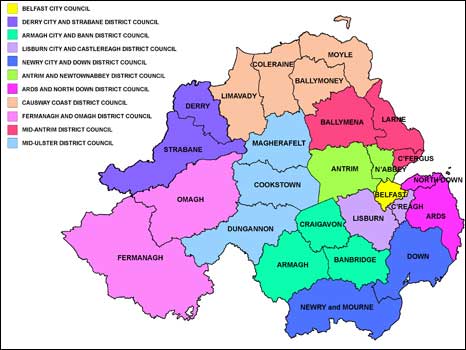
Ards and North Down Borough Council passed a Full Council resolution in late March 2026 calling for an independent feasibility study into a permanent Strangford Lough Crossing. Newry, Mourne and Down District Council is expected to follow by mid-April. When it does, both councils representing communities on either side of the Lough will be formally on record. (Note: All councillors should be supporting the bigger picture, the economic betterment of the Peninsula and wider area, and not making headlines for the wrong reasons. Perception is important. Any wonder we now have an official opposition in the NI Executive !)
The ask is straightforward. Not a bridge. Not a commitment to build anything. A TAG-compliant independent feasibility study, estimated at £750,000 to £1,000,000 — roughly five months of the annual ferry subsidy, which FOI data confirms has cost the public purse over £2 million net every year since 2020/21, rising steadily.
The Department for Infrastructure has refused every request, citing insufficient economic justification — while declining to commission the study that would establish whether that justification exists. Its own internal documents describe the £650 million cost estimate as a guesstimate. That figure has never been independently tested.
Chris Hazzard MP has sought a direct meeting with Minister Kimmins MLA. The Eastern Transport Plan 2035 consultation remains the procedural vehicle for formal inclusion. With rising construction costs, a shrinking capital budget and a fuel-dependent ferry subsidy that builds no asset, the public interest case for an evidence-based answer grows stronger with every passing month.