
- BY Kevin Barry BSc(Hons) MRICS
- POSTED IN Latest News
- WITH 0 COMMENTS
- PERMALINK
- STANDARD POST TYPE
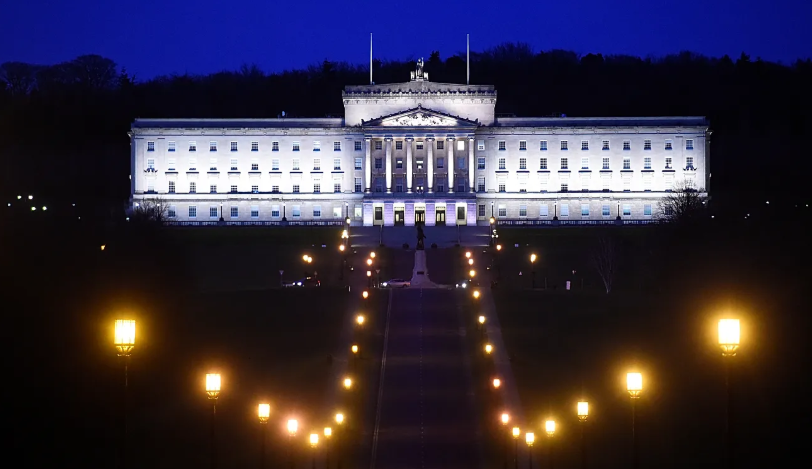
NI Executive Cycle of fiscal dysfunction – The Ultimate Explanation: Political Cowardice Dressed as Confidence
Why did Minister O’Dowd proceed with Reval 2026 figures despite knowing the process was flawed, and then claim “full confidence” after pausing it?
Because he is attempting to:
- Appear fiscally responsible (published balanced budget)
- Appear politically responsive (paused controversial revaluation)
- Avoid accountability (maintains figures are sound, just not using them)
- Defer consequences (keeps revenue in budget despite pausing collection)
- Protect officials (full confidence prevents scapegoating)
- Maintain flexibility (can restart revaluation later)
- Shift blame (waiting for England, implying methodology is UK-wide problem)
This requires:
- Using figures he knows are problematic
- Pausing collection of revenue he’s budgeted for
- Claiming confidence in work he’s refusing to implement
- Maintaining spending plans based on income he won’t receive
It is simultaneously:
- Clever political management (short-term)
- Fiscal irresponsibility (long-term)
- Historically familiar (Northern Ireland pattern)
The “full confidence” statement is the keystone that holds this contradictory position together:
Without it, he’d have to either:
- Admit the figures are wrong → revise budget → cut spending, OR
- Defend the figures as right → proceed with revaluation → face political heat
The “full confidence” statement allows him to do neither while claiming to do both.
This is not leadership. This is survival.
And it’s why Northern Ireland remains trapped in a cycle of fiscal dysfunction that even conditional debt write-offs and UK Government oversight cannot break.
The Minister has full confidence in figures he won’t use, to fund a budget he can’t deliver, to meet commitments he won’t honor, while claiming he’s listening to concerns he won’t address.
That’s not governance. That’s political theatre at the expense of fiscal reality.
The details
Impact of Revaluation 2026 Pause on Draft Budget 2026-29/30
Background
Finance Minister John O’Dowd announced on 29 January 2026 that he is halting the controversial Revaluation 2026 (Reval 2026) process following significant backlash from the business community, particularly the hospitality sector. This decision was made within days of Land & Property Services (LPS) publishing draft revaluations for 75,000 non-domestic properties, which showed dramatic increases for many businesses, with some hospitality premises facing increases exceeding 135%.
Budget Revenue Assumptions
The Draft Budget 2026-29/30 assumes the following non-domestic regional rate increases across the budget period:
- 2026-27: 3% increase in Non-Domestic Regional Rate poundage
- 2027-28: 3% increase in Non-Domestic Regional Rate poundage
- 2028-29: 3% increase in Non-Domestic Regional Rate poundage
These increases were specifically set at 3% (lower than the 5% domestic rate increase) to reflect business sector concerns about employer National Insurance Contribution increases announced in the Chancellor’s Autumn Budget.
Revenue Impact Analysis
The budget documents indicate that Regional Rates contribute approximately 4% of the Executive’s total funding envelope across the budget period. While the draft budget factsheet shows Regional Rates as a funding source across all three years (2026-29), the specific monetary values are presented visually in charts rather than in detailed tables.
According to the 2024-25 budget assessment document, Regional Rates provided £698 million in 2024-25.
Critical Issues Created by Revaluation Pause
1. Revenue Calculation Complexity
The pausing of Reval 2026 creates significant uncertainty because:
- The budget assumes 3% increases in non-domestic poundage rates across three years
- However, these poundage increases were expected to be applied to the new, higher valuations from Reval 2026
- With revaluation paused, the same 3% poundage increases will now apply to the existing, lower 2023 valuations
- This fundamentally changes the revenue yield calculation
2. Hidden Revenue Shortfall
The budget documents do not explicitly quantify:
- How much additional revenue was expected from the combination of revaluation increases plus the 3% poundage increases
- What the revenue difference will be between applying 3% poundage to old valuations versus new valuations
- Whether the £113 million local funding commitment to Treasury (referenced in both 2025-26 and 2026-29/30 budgets) can still be met
3. Timing and Scale of Budget Adjustment
The Minister’s statement on 29 January 2026 indicates he will “now consider the next steps” and remains in “listening mode”. This creates several problems:
- The budget is already published and in consultation
- Departments are planning based on funding envelopes that may be overstated
- The final budget must be agreed before the start of the 2026-27 financial year (1 April 2026)
- There is very limited time to recalculate revenue projections and adjust departmental allocations
4. Absence of Contingency Planning
Notably, the draft budget documents contain no reference to the revaluation process, its timing, or any sensitivity analysis of revenue assumptions. This represents a significant gap in budget documentation, as the revaluation was scheduled to take effect in April 2026 – the same month the budget begins.
Conclusion
The effect of pausing Revaluation 2026 on the draft three-year budget is substantial but currently unquantified in the published documents. The budget assumes non-domestic rate revenue based on applying 3% annual poundage increases, but the underlying valuation base has now fundamentally changed.
The Minister will need to either:
- Identify alternative revenue sources to replace the shortfall, or
- Reduce departmental allocations in the final budget, or
- Reduce the planned 3% non-domestic poundage increases (which contradicts the stated £113 million revenue-raising commitment)
Given that the Executive is already operating in an extremely constrained fiscal environment with no headroom, and that the Minister’s WMS explicitly states that “any increase in one area will inevitably mean a reduction in another”, this revenue shortfall will necessitate spending cuts unless alternative revenue sources can be identified before the final budget is agreed.
The absence of this analysis in the draft budget documentation represents a material omission that significantly undermines the reliability of the published spending plans.
The shortfall
Estimated Revenue Shortfall from Revaluation 2026 Pause
Key Data Points from Available Evidence
1. Overall NAV Increase from Reval 2026:
- Total non-domestic property values increased by approximately 15% overall according to LPS (source: Department of Finance, 23 January 2026)
2. Current Non-Domestic Rates Revenue:
- Approximately £720 million per annum (source: Department of Finance announcement, January 2026)
- 2024-25 Regional Rates: £698 million (source: NI Executive 2024-25 Budget assessment)
3. Planned Poundage Increases in Draft Budget 2026-29/30:
- 3% per annum for non-domestic regional rate across all three years (2026-27, 2027-28, 2028-29)
4. Sector-Specific NAV Increases:
- Industrial/warehousing: +16%
- Overall average: +15%
- Retail: +9%
- Offices: +9%
- Hospitality (hotels): +63% to +87% average
- Some hospitality properties: +100% to +342%
Revenue Calculation Methodology
The critical issue is that the budget assumes 3% poundage increases will be applied to the new, higher valuations from Reval 2026. With the revaluation paused, these poundage increases will now apply to the existing 2023 valuations.
Baseline Scenario (With Reval 2026):
- 2025-26 base (estimated): ~£730 million
- NAV increase from revaluation: +15%
- New valuation base: £730m × 1.15 = £839.5 million
- 2026-27 with 3% poundage increase: £839.5m × 1.03 = £864.7 million
- 2027-28 with further 3% increase: £864.7m × 1.03 = £890.6 million
- 2028-29 with further 3% increase: £890.6m × 1.03 = £917.3 million
Actual Scenario (Without Reval 2026):
- 2025-26 base (estimated): ~£730 million
- No NAV increase (revaluation paused)
- 2026-27 with 3% poundage increase: £730m × 1.03 = £751.9 million
- 2027-28 with further 3% increase: £751.9m × 1.03 = £774.5 million
- 2028-29 with further 3% increase: £774.5m × 1.03 = £797.7 million
Estimated Revenue Shortfall
| Financial Year | With Reval 2026 | Without Reval 2026 | Shortfall |
|---|---|---|---|
| 2026-27 | £864.7m | £751.9m | £112.8m |
| 2027-28 | £890.6m | £774.5m | £116.1m |
| 2028-29 | £917.3m | £797.7m | £119.6m |
| Total 3-Year Shortfall | £348.5m |
Critical Observations
1. First-Year Shortfall Matches Revenue Target
The estimated first-year shortfall of £112.8 million is virtually identical to the £113 million local revenue-raising commitment made to Treasury in the financial package. This is not coincidental – the budget appears to have been constructed on the assumption that the combination of:
- 5% domestic rate increase, plus
- 3% non-domestic rate increase, plus
- 15% uplift in non-domestic NAV from revaluation
would deliver the required £113 million. With revaluation paused, approximately half of this revenue disappears.
2. Cumulative Impact Across Budget Period
The three-year cumulative shortfall of £348.5 million represents:
- Approximately 1.7% of the total £19.9 billion budget for 2026-27
- Approximately 26% of the total planned Regional Rates revenue over the three-year period
- More than the entire annual budget of several smaller departments
3. Conservative Estimate
This estimate is conservative because:
- It assumes a uniform 15% NAV increase, but certain high-revenue sectors (hospitality, industrial) showed much higher increases
- It does not account for potential growth in the non-domestic property base
- It assumes the current £730m baseline, which may already be understated
4. No Alternative Revenue Source Identified
The draft budget documents contain no contingency for this scenario. The Minister’s WMS explicitly states that “any increase in one area will inevitably mean a reduction in another.”
Implications for Budget Credibility
The pausing of Reval 2026 creates a revenue hole of approximately £113 million in 2026-27 alone, growing to £120 million by 2028-29. Given that:
- The Executive is already operating with no fiscal headroom
- The budget already relies on continued overspends being eliminated
- Any 2025-26 overspend will reduce 2026-27 funding further
- The Minister has committed to not reducing services
The published spending plans in the Draft Budget 2026-29/30 are materially overstated by approximately £350 million over the three-year period, with no identified mechanism to close this gap.
This represents a fundamental flaw in the budget’s revenue assumptions that will necessitate either significant spending cuts or identification of alternative revenue sources before the final budget can be agreed.
Comparison with GB
Comparison: Hospitality Rates Valuation – Northern Ireland vs Great Britain
Valuation Methodology: IDENTICAL
Both NI and GB use the same fundamental approach:
The “Fair Maintainable Trade” (FMT) or “Fair Maintainable Turnover” methodology is used across all UK jurisdictions – England, Wales, Scotland, and Northern Ireland.
According to LPS deputy secretary Sharon Gallagher (speaking to Stormont’s Finance Committee, 28 January 2026): “This is the tried and tested methodology that’s used across England, Scotland and Wales. There is no alternative in place at this point in time.”
How FMT works (identical across UK):
- Valuers estimate the annual level of trade (excluding VAT) that a hospitality property could reasonably achieve if operated efficiently
- Based on drinks sales, food sales, accommodation, and other receipts
- A percentage is applied to each revenue stream to derive the Net Annual Value (NAV)
- The percentage varies by location, trade level, and type of establishment
- The valuation assesses the property’s potential, not the actual business performance
Critical Differences: Relief and Transitional Support
Despite using identical valuation methodology, England and Wales provide substantial mitigation measures that Northern Ireland does not:
England & Wales (2025-26):
1. Retail, Hospitality & Leisure Relief:
- 40% relief on rates bills for eligible properties
- Cash cap of £110,000 per business across all properties
- Applies to occupied retail, hospitality, and leisure properties
- Worth over £1.5 billion in 2025-26 alone
2. Transitional Relief (from April 2026): Caps on annual bill increases following revaluation:
- Properties up to £20,000 RV: 5% cap in 2026-27, 10% in 2027-28, 25% in 2028-29
- Properties £20,001-£100,000 RV: 15% cap in 2026-27, 25% in 2027-28, 40% in 2028-29
- Properties over £100,000 RV: 30% cap in 2026-27, 25% in 2027-28 and 2028-29
3. Permanently Lower Multipliers (from April 2026):
- New lower multipliers specifically for retail, hospitality, and leisure properties
- Small business RHL multiplier: 38.2p
- Standard RHL multiplier: 43.0p
- (Compared to standard multiplier of 49.9p for non-RHL properties)
4. Supporting Small Business Scheme:
- Extended to include businesses losing RHL relief in 2026-27
- Caps increases at higher of £800 or relevant transitional relief percentage
5. Draft Valuations Published Earlier:
- England/Wales: Published November 2025 (5 months before implementation)
- Northern Ireland: Published January 2026 (3 months before implementation)
This gave English and Welsh businesses significantly more time to plan and challenge valuations.
Northern Ireland (2025-26 and 2026-29):
1. NO Retail, Hospitality & Leisure Relief
- Zero equivalent to the 40% relief available in England/Wales
- No sector-specific support despite identical valuation pressures
2. NO Transitional Relief Scheme
- No caps on bill increases following revaluation
- Businesses facing 100%+ increases have no phased transition
- Hospitality Ulster reports some businesses facing increases of 135% to 342% with no mitigation
3. NO Lower Multipliers for Hospitality
- All non-domestic properties pay the same regional rate poundage
- No recognition of hospitality sector challenges in rate structure
4. NO Supporting Small Business Extension
- Limited small business rate relief exists but not extended for revaluation impact
5. COVID Relief Withdrawal:
- Like England/Wales, COVID support has ended
- However, no transitional support to cushion the impact
- NI Hotels Federation reports this alone increased NAVs by approximately 30%
Impact Comparison
England/Wales Example (from UK Government factsheet):
A pub with RV increasing from £50,000 to £110,000:
- 2025-26 bill (with 40% relief): £14,970
- 2026-27 bill (with lower multiplier + transitional relief cap): £19,461
- Increase capped at 30% = £4,491
Northern Ireland Equivalent:
Same pub with RV increasing from £50,000 to £110,000:
- 2025-26 bill (no relief): ~£28,500 (using estimated combined poundage of ~0.57)
- 2026-27 bill (no relief, with 3% poundage increase): ~£64,570 (using RV £110,000 × 0.587)
- Increase = 127% with NO mitigation
(Note: NI poundage rates are illustrative as exact figures not provided in budget documents)
Why the Disparity Matters
The NI Hotels Federation highlighted (27 January 2026) that:
- Hotel NAVs have increased by approximately 87% on average
- This is 2.5 times higher than inflation (35.5%) since 2015
- The sector faces approximately £400,000 per week in additional rates from 2026-27
- Combined with 20% VAT (vs 13% accommodation / 9% food & beverage in Republic of Ireland), NI hospitality faces severe competitive disadvantage
Why England/Wales Provide Relief but NI Does Not
1. Fiscal Capacity:
- England/Wales: UK Government can fund relief schemes through general taxation
- Northern Ireland: Must fund any relief from constrained block grant allocation
- The £1.5 billion England/Wales hospitality relief would cost Northern Ireland approximately £50-60 million based on relative population/property numbers
2. Political Decisions:
- UK Government explicitly recognized hospitality sector pressures in Autumn Budget 2024
- NI Executive chose not to replicate these reliefs despite using identical valuation methodology
- Priority given to meeting £113 million revenue-raising target to Treasury
3. Budget Constraints:
- NI Executive operating with no fiscal headroom
- Any relief provided to hospitality would require cuts elsewhere
- Minister’s statement: “any increase in one area will inevitably mean a reduction in another”
Conclusion
The valuation methodology for hospitality properties is identical across Northern Ireland and Great Britain. However, the policy response to revaluation impacts is fundamentally different:
- England/Wales: Comprehensive package of reliefs, transitional caps, and permanently lower multipliers totaling over £1.5 billion
- Northern Ireland: Zero sector-specific relief, no transitional protections, no mitigation measures
This means NI hospitality businesses face the same underlying valuation methodology as their GB counterparts but with none of the support mechanisms to cushion revaluation impacts. The result is that identical turnover growth (often driven purely by inflation rather than real profitability increases) translates into full rates bill increases in NI, while being substantially mitigated in England and Wales.
The pause of Reval 2026 in Northern Ireland on 29 January 2026 suggests political recognition that applying the methodology without mitigation was creating unsustainable outcomes for the sector, but this decision came only after the valuations were published and weeks into the budget consultation period, highlighting the absence of strategic planning around revaluation impacts in budget construction.
Executive ministers and their problems
Securing Executive Agreement on Final Three-Year Budget 2026-29/30
Current Status
The Draft Budget 2026-29/30 has been published for consultation (closing date not yet specified in available documents). The Finance Minister’s WMS states: “The purpose of this Statement is to inform the Assembly of my proposals for the draft Budget for 2026–29/30, which I intend to publish for public consultation while working in parallel with Executive colleagues to reach agreement on a final Budget.”
This is not yet an agreed Executive budget – it represents the Finance Minister’s proposals requiring formal Executive approval.
Legal Requirements for Executive Agreement
According to the Northern Ireland Act 1998 and budget process documentation:
- Final Budget requires assent of the majority of Ministers in the Executive
- Agreement is achieved through Executive Committee voting
- The Finance Minister presents revised proposals incorporating consultation responses
- Budget Bill then proceeds to Assembly via normal legislative process
Historical Precedent: Budget Agreement Challenges
2024-25 Budget Experience:
The most recent budget process (documented in the 2024-25 assessment) reveals significant challenges:
1. Health Minister Dissent:
- Robin Swann (UUP Health Minister) was the one member of the Executive not to vote in favour of the overall Budget settlement
- Health receives approximately 51% of total departmental allocations (£7.76 billion of £15.17 billion in 2024-25)
- Health Minister expressed concerns that “departments used different criteria to define inescapable pressures”
2. Unmet Bids:
- Departmental bids totaled over £3 billion in 2024-25
- Only £958 million available to allocate
- Bids exceeded available funding by 3.1 times (unprecedented ratio compared to 1.6-1.8 times in previous years)
3. All Ministers Started Unfunded:
- “No Minister is starting the year in a fully funded position having their bids met”
- “Decisions will be needed in every department to ensure public services are delivered within the Executive budget allocations”
Current Draft Budget 2026-29/30: Known Issues
1. Revaluation Revenue Shortfall (approximately £350 million over 3 years)
The pause of Reval 2026 announced 29 January 2026 creates an immediate £113 million shortfall in 2026-27, with the Finance Minister yet to identify:
- Alternative revenue sources, or
- Which departmental allocations will be reduced, or
- How the £113 million Treasury revenue commitment will be met
This was not addressed in the draft budget despite being announced during the consultation period.
2. 2025-26 Overspend Impact
From the Minister’s WMS: “Any overspend in the current financial year will reduce the funding available in this budget period; however, the exact amount will not be known until the year end.“
The Minister notes: “Some Ministers have acted responsibly in this regard” – implying others have not.
This creates uncertainty about actual opening allocations for 2026-27.
3. Ministerial Dissent Already Signaled
The Minister’s WMS explicitly states: “In responding to the draft Budget, I ask all Assembly Members that if they believe additional funding should be allocated to a particular area, they also propose clear alternatives identifying where that funding should be reallocated from. It is important that solutions and ideas are put forward. I have made the same request to my Ministerial colleagues.”
This language suggests ministers are already expressing dissatisfaction with allocations.
Key Pressure Points for Agreement
1. Health (Largest Department – ~43% of Resource DEL)
Historical pattern: Health consistently bids significantly above allocation and resists cuts
2024-25 precedent:
- Bid: £1.293 billion additional (17.8% above baseline)
- Received: £7.76 billion (51.2% of available budget)
- Health Minister voted against final budget
Current challenge: Health allocation must absorb:
- Pay pressures (3% assumed, but actual awards typically higher)
- Demand growth from aging population
- Transformation costs without additional transformation funding
- Efficiency gap with England remains unaddressed
2. Education (Second Largest – ~19% of Resource DEL)
2024-25 precedent:
- Bid: £910 million additional (35.3% above baseline)
- Bid exceeded available funds significantly
- Infrastructure pressures particularly acute
Current draft budget: Education and Infrastructure departments given “first call on the basis of an equal share, on any funding that becomes available up to a maximum of £20 million” – this preferential treatment may cause resentment from other ministers.
3. Justice
2024-25 precedent:
- Bid: £446 million additional (39.6% above baseline)
- Highest bid as percentage of baseline
Current challenge: PSNI data breach costs excluded from draft budget baseline, creating uncertainty about actual funding needs.
4. Infrastructure
Acute pressures explicitly recognized in draft budget through preferential access to any additional funding (shared with Education).
Strategic Considerations for Securing Agreement
Option 1: Reduce Allocations Across Board
Required to address revaluation shortfall:
- 2026-27: ~£113 million reduction needed
- 2027-28: ~£116 million reduction needed
- 2028-29: ~£120 million reduction needed
Distribution challenge:
- Pro-rata cuts would hit Health hardest (£48m in 2026-27)
- Health Minister historically unwilling to accept cuts
- All ministers already stated their allocations insufficient
Political viability: Very Low – repeats 2024-25 scenario where Health Minister voted against budget
Option 2: Reduce Non-Domestic Rate Poundage Increase
Approach: Lower planned 3% increase to 0-1% to match reduced revenue from old valuations
Impact:
- Would acknowledge economic reality following revaluation pause
- Reduces revenue shortfall but doesn’t eliminate it
- Politically defensible given business community pressure
- Still requires some spending cuts (~£50-80 million)
Political viability: Medium – reduces problem but doesn’t solve it
Option 3: Increase Domestic Regional Rate Further
Approach: Increase domestic rate from 5% to 7-8% to compensate for non-domestic shortfall
Impact:
- Shifts burden from business to households
- Each 1% increase yields approximately £7-8 million
- Would need 14-15% total domestic increase (vs 5% planned)
- Politically toxic given cost-of-living pressures
Political viability: Very Low – likely unacceptable to multiple parties
Option 4: Defer Problem to In-Year Monitoring
Approach: Agree draft budget “as is” with understanding that shortfall addressed through June 2026-27 monitoring round
Risks:
- Departments plan based on inflated allocations
- Mid-year cuts more disruptive than pre-year planning
- Accountability less clear
- Repeats pattern of undisciplined budget management
Political viability: Medium-High – allows agreement now, delays pain
NI Fiscal Council assessment: This approach contributed to historical overspends
Option 5: Seek Additional Treasury Funding
Approach: Request exceptional funding to cover revaluation shortfall
Feasibility:
- Minister states: “I will also be urging the Treasury to phase any reduction across the entire budget period”
- This refers to 2025-26 overspend, not revaluation issue
- Treasury unlikely to provide additional funding for policy choice (pausing revaluation)
- Executive has already received financial package commitments
Political viability: Low – Treasury signaled no additional funding beyond Autumn Budget consequentials
Process Timeline and Critical Milestones
Immediate Actions Required (January-February 2026):
- Recalculate revenue projections with paused revaluation
- Quantify 2025-26 final overspend (year-end accounts)
- Revised departmental allocations reflecting both issues
- Bilateral discussions with each minister before Executive meeting
Formal Process Steps:
- Consultation closure (date TBC)
- Equality Impact Assessment review and revision
- Departmental consultations must complete
- Revised proposals to Executive for formal vote
- Budget Bill drafted and presented to Assembly
- Assembly passage (timing depends on agreement complexity)
- Royal Assent required before 1 April 2026
Risk Assessment: Agreement Failure
If Executive cannot agree final budget:
Immediate consequence: No legal authority to spend beyond Vote on Account provisions (typically 45% of prior year)
Historical precedent:
- 2021: Draft Budget published but Executive failed to endorse
- Led to collapse, prolonged caretaker period, massive overspends
- Secretary of State eventually imposed budget
Current risk factors:
- Revaluation creates new £350m hole not in draft
- Ministers already stating allocations insufficient
- Health Minister historically willing to vote against
- No Programme for Government to guide prioritization
- Political fragmentation may prevent majority agreement
Recommendations for Securing Agreement
1. Immediate Financial Clarity:
- Publish revised revenue projections with revaluation pause impact
- Quantify 2025-26 overspend before seeking agreement
- Present Executive with realistic, fully-costed options
2. Strategic Trade-Offs Framework:
- Require each minister proposing increased allocation to identify corresponding cuts elsewhere
- Make this requirement formal Executive procedure, not just ministerial request
- Prevents log-rolling where all ministers support each other’s bids
3. Health Minister Engagement:
- Critical priority given size of allocation and historical dissent
- Consider whether transformation funding could be earmarked for Health efficiency programs
- Explore multi-year efficiency targets with investment support
4. Political Agreement on Priorities:
- Cannot agree budget without agreed Programme for Government priorities
- Current approach of “allocations viewed through lens of PfG” insufficient
- Need explicit ministerial agreement on what services can be reduced/eliminated
5. Realistic Timeline:
- Eight weeks to 1 April 2026 is insufficient for complex renegotiation
- May require emergency Budget Act with later refinement
- Consider whether Vote on Account extension necessary
Conclusion
Securing Executive agreement on the three-year budget faces severe challenges:
- Financial hole from revaluation pause must be addressed before agreement possible
- Historical pattern shows Health Minister willing to vote against insufficient allocation
- All ministers already stated draft allocations insufficient
- No agreed priorities framework to guide trade-offs
- Extremely tight timeline with multiple uncertainties unresolved
The most likely path to agreement involves Option 4 (deferring shortfall to monitoring) combined with Option 2 (reduced non-domestic rate increase), but this perpetuates undisciplined budget management rather than addressing structural issues.
The fundamental problem remains unresolved: Ministers’ collective spending aspirations far exceed available funding, with no agreed mechanism for prioritization or service reduction.
UK Government Revenue-Raising Requirement
UK Government Revenue-Raising Requirement: Core Demand Summary
The Commitment
As part of the January 2024 financial package that facilitated the return of the Northern Ireland Executive, the UK Government required a specific revenue-raising commitment from the NI Executive.
The Amount: £113 Million Annually
According to the available budget documentation:
From 2024-25 Budget Assessment: “The UK Government has indicated to the parties that it estimated a 15 per cent increase in the regional rate would yield approximately £113 million per annum for the Executive.”
From Draft Budget 2025-26: “There remains a clear need to secure additional funding for vital public services and to enable the Executive to meet the financial package commitment of raising £113 million from local funding streams.”
From Draft Budget 2026-29/30: “As well as providing additional funding for vital public services this also enables the Executive to meet the financial package commitment of raising £113 million from local funding streams.”
Key Characteristics
1. Source: “Local Funding Streams”
- Must come from revenue sources controlled by the NI Executive
- Cannot be met through UK Government grants or Barnett consequentials
- Primary mechanism: Regional Rates (only major tax instrument available)
2. Annual Requirement
- The £113 million commitment appears to be per annum
- Referenced across multiple budget years (2025-26, 2026-27, 2027-28, 2028-29)
- Not a one-off payment but ongoing revenue generation
3. Linked to Debt Write-Off
- Part of broader financial package including up to £559 million debt write-off
- UK Government agreed to write off debt from 2022-23 and 2023-24 overspends conditional on:
- Publishing a plan to deliver sustainable public finances by end of Summer 2024
- Demonstrating implementation by May 2025
- Meeting revenue-raising commitments
4. Political Context
- Imposed as condition for Executive restoration
- Reflects UK Government frustration with persistent NI overspending
- Forces Executive to make politically difficult decisions on taxation
How the Executive Planned to Meet This Commitment
Original Approach (Draft Budget 2025-26):
- Domestic Regional Rate increase: 5%
- Non-Domestic Regional Rate increase: 3%
- Combined effect expected to generate approximately £113 million
Continuation (Draft Budget 2026-29/30):
- Same formula applied across all three years:
- Domestic: 5% annually (2026-27, 2027-28, 2028-29)
- Non-Domestic: 3% annually (2026-27, 2027-28, 2028-29)
The Critical Problem
The revenue calculations assumed:
- 5% domestic rate increase applied to existing domestic valuations ✓
- 3% non-domestic rate increase applied to NEW, HIGHER valuations from Reval 2026 ✗
With Reval 2026 paused (29 January 2026):
- 3% non-domestic poundage increase now applies to OLD, LOWER valuations
- Expected revenue from non-domestic rates approximately 50% lower than budgeted
- Creates £113 million shortfall in year 1 alone
Implications of Failure to Meet Commitment
From the documentation, the consequences are:
1. Debt Repayment Reimposed
- The £559 million debt write-off was conditional
- Failure to meet sustainability plan requirements (including revenue-raising) could trigger debt repayment requirement
- Would need to be repaid from future budgets, creating additional pressure
2. Loss of UK Government Confidence
- Undermines credibility of Executive’s fiscal management
- Reduces likelihood of future financial support or flexibility
- Weakens negotiating position for fiscal framework discussions
3. Brings Forward Fiscal “Cliff Edge”
- The 2024-25 Budget Assessment warned: “The impact of having to repay the previous Reserve claims would be to bring forward the cliff edge by a year, into the next fiscal year”
- Medium-term budgetary pressures become immediate crisis
Current Status: Commitment at Risk
The Finance Minister has:
- ✓ Published draft budgets showing revenue increases
- ✓ Communicated intention to meet commitment
- ✗ Failed to deliver due to Reval 2026 pause
- ✗ Not identified alternative revenue sources
- ✗ Not adjusted spending plans to reflect shortfall
The Minister’s WMS acknowledges uncertainty but provides no solution: “I will also be urging the Treasury to phase any reduction across the entire budget period, given the already constrained 2026-27 position and the damage an immediate cut would cause to public services.”
This refers to the impact of any 2025-26 overspend, not the revenue shortfall from the paused revaluation.
Why This Matters
The £113 million annual revenue-raising requirement represents:
- Approximately 1.6% of total Resource DEL (~£7 billion)
- Approximately 16% of total Regional Rates revenue (~£730 million)
- The price of Executive restoration and debt forgiveness
- A test of fiscal discipline and political maturity
The UK Government’s core message: Northern Ireland cannot continue to have more generous public services AND lower taxation than the rest of the UK AND persistent overspending AND repeated bailouts.
The £113 million requirement forces the Executive to choose: raise local revenue OR reduce services to sustainable levels.
By pausing Reval 2026 without identifying alternative revenue, the Executive has effectively chosen neither option – maintaining the pattern of fiscal indiscipline that necessitated UK Government intervention in the first place.
This risks validating UK Government skepticism about whether the restored Executive can deliver sustainable public finances, potentially triggering the consequences outlined above and further eroding Northern Ireland’s fiscal autonomy.
Assessment: Was Reval 2026 Proper and Fair?
Procedural Propriety: PARTIALLY COMPLIANT
What LPS Did Correctly:
1. Methodology Compliance
- Used standard UK-wide “Fair Maintainable Trade” methodology
- LPS Deputy Secretary Sharon Gallagher confirmed: “This is the tried and tested methodology that’s used across England, Scotland and Wales”
- Followed established legal framework for revaluation
- Applied consistent approach across all 75,000 non-domestic properties
2. Frequency of Revaluation
- Fourth revaluation since 2015 (2015, 2020, 2023, 2026)
- Three-year cycle represents best practice
- Business community had requested more frequent revaluations to keep valuations current
- Shortest interval between revaluations in any UK jurisdiction
3. Evidence Base
- Used rental evidence from valuation date of 1 April 2024
- Collected market data from multiple sources
- Overall 15% increase reflects actual market movement across property sectors
- Revenue-neutral process (poundages to be adjusted to maintain total revenue)
4. Consultation and Appeals Process
- Draft list published (23 January 2026) before implementation (1 April 2026)
- Businesses given opportunity to review and challenge valuations
- LPS stated willingness to review “any new or relevant information ratepayers wish to bring forward”
- Appeals process available with proper evidence
Significant Procedural Deficiencies:
1. Inadequate Notice Period
- Draft list published January 2026 for April 2026 implementation
- Only 3 months preparation time vs 5 months in England/Wales (November 2025 publication)
- NI Hotels Federation: “The delayed release of valuations until January has severely limited businesses’ ability to plan, budget or challenge revised NAVs”
- Insufficient time for businesses to:
- Obtain professional valuations
- Prepare appeals with supporting evidence
- Adjust business plans
- Arrange financing
2. Poor Data Quality Due to Non-Compliance
- Only 30% of hospitality businesses provided turnover information
- Department of Finance acknowledged: “Compliance from businesses in providing the turnover information for the hospitality sector, required to inform valuations, remains low, with only 30% of the sector providing responses”
- This means 70% of hospitality valuations were estimated without actual business data
- LPS had to rely on:
- Historical data
- Proxy information
- Comparables from the 30% who responded
- Assumptions about business performance
3. Absence of Impact Assessment
- No analysis published of differential sectoral impacts
- No consideration of cumulative pressures on hospitality
- No assessment of how COVID recovery support removal would compound revaluation increases
- No evaluation of whether outcomes were sustainable for affected businesses
4. No Transitional Relief Planned
- Unlike England/Wales, no transitional caps on bill increases
- Single-step removal of COVID support (30% of NAV increase according to NIHF)
- No phased implementation despite unprecedented increases for some sectors
Substantive Fairness: FUNDAMENTALLY FLAWED
Critical Fairness Issues:
1. Methodology Treats Inflation as Business Success
The Core Problem:
- Fair Maintainable Trade methodology uses turnover as proxy for property value
- Turnover increased due to inflation, not real business growth
- Hospitality had to raise prices to cover costs (wages, energy, food)
- Methodology interprets price increases as increased capacity to pay rent
- Reality: Profitability declined while turnover rose
Evidence:
- NI Hotels Federation analysis:
- Inflation 2015-2026: 35.5%
- Hotel NAV increase: 90.6%
- NAV growth 2.5 times faster than inflation
- Minimum wages increased 90% (matching NAV growth, not inflation)
- Energy costs rose even faster during certain periods
Hospitality Ulster Chair Michael Cadden: “As we review the draft lists for the upcoming revaluation, it is clear that LPS is using a model that effectively treats the cost-of-living crisis as a business success.”
2. Disconnect Between Turnover and Profitability
The Hotels Federation Identified:
- Turnover increased but “has not kept pace with the very significant rise in operating costs”
- Room rates “softened alongside occupancy levels” in 2025
- Operating cost inflation exceeded revenue growth
- Methodology “places excessive emphasis on turnover while failing to adequately reflect rising wage, energy, food and service costs”
Specific Example (from Irish News reporting):
- Ringland Group (4 Belfast hospitality venues):
- NAV increase: 135% across both sites
- Additional annual cost: £157,000
- Revenue increased due to inflation, not volume growth
- Profit margins compressed by cost inflation
3. Perverse Investment Incentive
NIHF Chief Executive Janice Gault: “The hotel valuation scheme further penalises investment, as improvements in quality and star classification automatically trigger higher NAVs, discouraging reinvestment in standards and visitor experience.”
This creates a disincentive for quality improvement:
- Hotel invests £500,000 in refurbishment
- Star rating improves
- NAV increases automatically
- Annual rates bill increases permanently
- Investment becomes less attractive
Result: Policy conflict with Programme for Government tourism growth targets.
4. Compound Effect of COVID Support Removal
NIHF analysis: “The sudden removal of the Covid-19 rates discount has compounded this impact. The withdrawal of support in a single step has automatically increased NAVs by approximately 30%, with no transitional arrangements to reflect continued recovery, elevated debt levels or sustained cost inflation.”
Timeline of Pressures on Hospitality:
- 2021 (Reval 2023 valuation date): Pandemic, low valuations, COVID support active
- 2024 (Reval 2026 valuation date): Post-pandemic turnover recovery
- Revaluation captures full swing from suppressed to recovered turnover
- Plus removal of COVID support
- Plus no transitional relief
- Result: “Cliff edge” effect
5. Data Deficiency Undermines Accuracy
With only 30% compliance, valuations for 70% of hospitality businesses were estimated without their actual financial data. This raises fundamental fairness questions:
For Non-Compliant Businesses:
- Were estimated valuations accurate?
- Were they penalized for non-compliance through conservative assumptions?
- Could they effectively appeal without having provided data initially?
For Compliant Businesses:
- Were they disadvantaged by providing accurate data while competitors didn’t?
- Did compliance result in higher valuations than non-compliant competitors?
LPS urged businesses to submit information post-publication, but this reverses proper process: valuations should be based on submitted data, not estimated then corrected.
6. Extreme Variation Within Sector
Individual property NAV increases ranged from decreases to +342%, showing:
- Inconsistent application of methodology
- Insufficient quality control
- Possible errors in individual assessments
Examples from reporting:
- Galgorm Resort (Ballymena): +127% (£1.07m increase)
- Slieve Donard Hotel (Newcastle): +208% (£844k increase)
- Lusty Beg Island Resort: +115%
- Various pubs: +100% to +342%
Such variation suggests methodology produces arbitrary outcomes depending on business circumstances that may be irrelevant to actual property value.
Comparative Fairness: DISCRIMINATORY
Northern Ireland vs Great Britain Treatment:
| Aspect | England/Wales | Northern Ireland | Fair? |
|---|---|---|---|
| Notice Period | 5 months (Nov 2025) | 3 months (Jan 2026) | ✗ |
| Transitional Relief | Yes (5-30% caps year 1) | None | ✗ |
| Sector Support | 40% RHL relief 2025-26 | None | ✗ |
| Permanently Lower Multipliers | Yes (from April 2026) | None | ✗ |
| COVID Support Removal | Phased with transitional relief | Single step, no mitigation | ✗ |
| Total Support Package | £1.5bn+ annually | Zero | ✗ |
Outcome: NI hospitality businesses face:
- Same valuation methodology
- Same inflationary pressures
- Higher effective tax burden (no relief)
- Steeper transition (no caps)
- Competitive disadvantage vs GB and Republic of Ireland
This differential treatment means:
- Chain hotels/restaurants may prioritize GB investment over NI
- Cross-border businesses (NI/ROI) face disadvantage in NI
- Tourism competitiveness undermined
Legitimacy and Public Confidence: FAILED
Stakeholder Rejection:
Hospitality Ulster (representing sector):
- “The 2026 revaluation lists show a sector facing a cliff-edge”
- “Nothing fair or maintainable about rates bill increases of over 100%, 200%, and 300%”
- “Fundamentally flawed” methodology
- “Will be the ruination of the hospitality industry”
NI Hotels Federation:
- “Sharp and unsustainable increase”
- “Delivered with inadequate notice and without proper recognition of economic realities”
- Called for “urgent government intervention”
- Seven specific reform demands
Political Response:
- UUP Economy Spokesperson Diana Armstrong: “Final nail in the coffin”
- SDLP Finance Committee Chair Matthew O’Toole: “Real and understandable concern”
- Alliance Deputy Leader Eóin Tennyson: “Cack-handed and muddled”
Outcome: Finance Minister John O’Dowd paused entire revaluation (29 January 2026), acknowledging:
- “I have listened carefully”
- “Aware of the concerns raised by businesses—particularly hotels, pubs and other hospitality businesses”
- May not restart “until the outcome of a review in England”
The Minister’s retreat effectively concedes the process was not fair or sustainable.
Legal Compliance: TECHNICALLY PROPER BUT SUBSTANTIVELY QUESTIONABLE
Met Legal Requirements:
- ✓ Followed statutory revaluation cycle
- ✓ Used prescribed valuation date (1 April 2024)
- ✓ Applied established methodology
- ✓ Published draft list before implementation
- ✓ Provided appeals mechanism
Potential Legal Vulnerabilities:
1. Proportionality
- Increases of 100-342% may fail proportionality test
- No assessment of whether outcomes are reasonable
- Arbitrary variation suggests flawed application
2. Legitimate Expectations
- Businesses expected comparable treatment to GB
- Expected transitional support given precedent
- Expected consideration of economic circumstances
3. Equality
- Differential treatment of sectors (hospitality vs others)
- Differential treatment by jurisdiction (NI vs GB)
- 30% compliance rate suggests unfair application
4. Consultation Adequacy
- Insufficient notice period
- No impact assessment published
- No consideration of alternatives
Alternative Approaches That Would Have Been Fairer:
1. Phased Implementation
- Year 1: 33% of increase
- Year 2: 66% of increase
- Year 3: 100% of increase
- Allows business adjustment
2. Transitional Caps (Matching England/Wales)
- Cap increases at 5-30% depending on property value
- Prevents “cliff edge” effects
- Maintains fairness principle
3. Profitability Adjustment
- Adjust FMT formula to account for cost inflation
- Use profit margins, not just turnover
- Reflects economic reality
4. Sector-Specific Relief
- 20-40% relief for hospitality (as in GB)
- Acknowledges strategic importance
- Compensates for methodology flaws
5. Improved Data Collection
- Mandatory compliance with penalties
- Earlier data collection deadline
- Better quality assurance
6. Earlier Publication
- Match England/Wales timeline (November)
- Provide 5-6 months preparation
- Allow proper appeals process
Conclusion: Process Was Procedurally Proper But Substantively Unfair
| Dimension | Assessment | Rating |
|---|---|---|
| Legal Compliance | Met statutory requirements | ✓ PROPER |
| Methodological Consistency | Applied standard UK formula | ✓ PROPER |
| Process Transparency | Published draft list, appeals available | ✓ PROPER |
| Notice Period | 3 months vs 5 in GB | ✗ IMPROPER |
| Data Quality | Only 30% compliance | ✗ IMPROPER |
| Substantive Fairness | Treats inflation as prosperity | ✗ UNFAIR |
| Economic Realism | Ignores profitability collapse | ✗ UNFAIR |
| Comparative Treatment | No relief vs £1.5bn in GB | ✗ UNFAIR |
| Transitional Support | None vs phased in GB | ✗ UNFAIR |
| Outcome Proportionality | 100-342% increases unsustainable | ✗ UNFAIR |
| Stakeholder Confidence | Universal rejection, Ministerial retreat | ✗ FAILED |
Final Verdict:
The Reval 2026 process was procedurally proper in a narrow legal sense but fundamentally unfair in substance and application.
The process followed correct legal procedures but produced outcomes that:
- Are economically unsustainable for affected businesses
- Treat inflation-driven turnover growth as real business success
- Ignore profitability erosion from cost inflation
- Provide no transitional support unlike rest of UK
- Were rejected by all major stakeholders
- Required Ministerial intervention to pause
The Finance Minister’s decision to halt the revaluation effectively validates the sector’s complaints that the process, while technically proper, was substantively unfair.
The core issue: A methodology that works acceptably in stable economic conditions produces perverse outcomes during high inflation. LPS applied the rules correctly, but the rules themselves are flawed in current circumstances—something England is now reviewing, and which should have been considered before NI implementation.
Proper process ≠ Fair outcomes. Reval 2026 demonstrates this distinction clearly.
Why Did Minister O’Dowd Use Reval 2026 Revenue Figures in Budget Despite Flawed Process?
The Chronological Contradiction
23 January 2026: LPS publishes draft Reval 2026 valuations
- Immediate outcry from hospitality sector
- Complaints about 100-342% increases
- Industry bodies call it “fundamentally flawed”
27 January 2026 (estimated): Finance Minister publishes Draft Budget 2026-29/30
- Budget assumes 3% non-domestic rate increases across 3 years
- Revenue projections implicitly rely on Reval 2026 increasing the valuation base by 15%
- No contingency for revaluation being paused or modified
28 January 2026: Hospitality Ulster intensifies pressure
- Colin Neill warns “no action will be off the table”
- Finance Committee hearings reveal problems
- Political pressure mounting
29 January 2026: O’Dowd announces revaluation pause
- “I have listened carefully”
- May not proceed “until the outcome of a review in England”
- Effective admission the process was problematic
30 January 2026 (this morning): O’Dowd states he has “full confidence in LPS”
- Claims LPS produced accurate figures
- Affirms confidence in the organization that conducted the “flawed” revaluation
- Creates fundamental logical contradiction
The Core Contradiction: Full Confidence in Paused Work
If O’Dowd has “full confidence” in LPS and their figures, why did he pause the revaluation?
There are only three possible answers, all deeply problematic:
Answer 1: The Figures Are Accurate But Politically Unacceptable
What this means:
- LPS correctly applied the methodology
- The valuations accurately reflect Fair Maintainable Trade
- The 100-342% increases are technically justified
- But the political pressure was too great to proceed
Implications:
- O’Dowd is prioritizing political expediency over fiscal responsibility
- He’s acknowledging that correct valuations are unaffordable
- The pause is purely political theatre, not a technical correction
- He knew the figures were correct when he used them in the budget
- He paused implementation to appear responsive while keeping the revenue in the budget
This is the most cynical interpretation – and likely the accurate one.
Answer 2: The Figures Are Inaccurate But He Still Has Confidence
What this means:
- LPS made errors (30% compliance, flawed methodology application)
- The valuations need to be corrected
- But O’Dowd still has “full confidence” in the organization that produced flawed work
Implications:
- Meaningless political statement (“full confidence” = nothing)
- Protecting LPS officials from accountability
- Refusing to acknowledge systemic problems
- He used figures he knew were inaccurate in the budget
This suggests either incompetence or deliberate deception.
Answer 3: He Doesn’t Actually Have Full Confidence
What this means:
- The “full confidence” statement is political cover
- He knows LPS work was problematic
- But he can’t publicly criticize them because:
- They’re within his own department
- He’s ultimately accountable for their work
- Admitting they failed means admitting he failed
Implications:
- Public statements are performative, not honest
- Unwilling to hold officials accountable
- Budget credibility undermined by known flawed assumptions
- Systemic dishonesty in public discourse
This is the “say one thing, do another” politician’s approach.
What “Full Confidence” Actually Means in This Context
In political discourse, “full confidence” statements have specific meanings:
When a Minister says they have “full confidence” in officials who just produced controversial work, it typically means:
- “I’m not sacking them” – Protection of civil servants from political fallout
- “Don’t blame them, blame me” – Taking ministerial responsibility (theoretically)
- “The methodology was sound” – Technical procedures were followed correctly
- “This is political, not technical” – The problem is implementation circumstances, not professional competence
But it creates an insurmountable logical problem:
If the figures are sound → why pause the revaluation? If the figures are flawed → why “full confidence”?
You cannot simultaneously:
- Have “full confidence” in the figures produced, AND
- Refuse to implement those figures, AND
- Maintain credibility
Yet that’s precisely what O’Dowd is attempting.
The Updated Timeline With the “Full Confidence” Statement
Let’s examine the sequence with this new information:
Stage 1: Use the Figures (27 January)
- Budget published with revenue projections dependent on Reval 2026
- Implicitly endorses LPS work
- Stakes entire fiscal plan on these valuations
Stage 2: Pause the Figures (29 January)
- Announces revaluation will not proceed
- “I have listened carefully”
- Will wait for England’s review
- Implicitly admits figures are problematic
Stage 3: Defend the Figures (30 January – this morning)
- States “full confidence in LPS”
- Affirms the organization that produced the paused valuations
- Explicitly contradicts the pause decision
This is not a coherent policy position – it’s political damage control that creates more damage.
Why the “Full Confidence” Statement Makes Everything Worse
Problem 1: Destroys Budget Credibility
If O’Dowd has full confidence in LPS figures:
- The £113 million revenue projection should be reliable
- The budget should proceed as published
- Departments can trust their allocations
But he paused the revaluation:
- The £113 million will not materialize
- The budget cannot proceed as published
- Departments cannot trust their allocations
The “full confidence” statement forces us to conclude:
- Either the Minister doesn’t understand what he’s saying, OR
- He’s deliberately misleading the Assembly and public
Problem 2: Undermines Justification for Pause
Possible justifications for pausing revaluation:
❌ “The figures are wrong” – Contradicted by “full confidence” statement ❌ “The methodology is flawed” – LPS used UK-wide standard methodology he claims to have confidence in ❌ “The data quality is poor” – But he has “full confidence” in LPS who collected the data ❌ “The process was rushed” – But LPS followed the established timetable he approved ✓ “The political pressure was too great” – ONLY remaining explanation
The “full confidence” statement eliminates all technical justifications, leaving only political cowardice.
Problem 3: Prevents Learning and Improvement
If LPS has done nothing wrong:
- No need to review their processes
- No need to improve data collection (30% compliance acceptable)
- No need to consider transitional relief
- No need to adjust methodology for high inflation periods
Result: Next revaluation (2029) will face identical problems because no lessons learned.
The “full confidence” statement locks in future failure.
Problem 4: Accountability Vacuum
Who is responsible for this mess?
- LPS? No – Minister has “full confidence” in them
- Methodology? No – It’s UK-wide standard, used correctly
- Hospitality sector? No – They complied with consultation
- O’Dowd? No – He “listened” and responded to concerns
- UK Government? Implied – “waiting for England’s review”
Nobody is accountable. Nothing will change. Problem will recur.
The Real Reason for “Full Confidence” Statement
Let’s be clear about why O’Dowd made this statement:
Reason 1: Protecting the Civil Service
Political convention:
- Ministers take political responsibility
- Civil servants implement policy professionally
- Ministers don’t publicly criticize their officials
But this convention assumes:
- Civil servants followed ministerial direction
- Technical work was competent
- Problems arose from policy choices, not implementation
In this case:
- LPS followed correct methodology
- But produced politically unsustainable outcomes
- Minister is protecting them from becoming scapegoats
This is defensible – but incompatible with pausing their work.
Reason 2: Avoiding Compensation Claims
Critical legal consideration:
If O’Dowd admits LPS valuations were flawed:
- Every business could claim their valuation is inaccurate
- Appeals process becomes rubber-stamp for reductions
- Revenue projections collapse further
- Legal liability for businesses that paid rates based on flawed valuations
If he maintains “full confidence”:
- Valuations remain technically valid
- Appeals require evidence to overturn
- Pause is “temporary” pending policy review, not correction of errors
- Limited legal liability
This is risk management – but creates fiscal chaos.
Reason 3: Preserving Option to Restart
Strategic flexibility:
If O’Dowd admitted figures were wrong:
- Cannot use them ever
- Must start revaluation from scratch
- Lose years of work and investment
- Admit complete failure
If he maintains figures are sound:
- Can restart revaluation after political heat diminishes
- Or after England’s review provides cover
- Or after transitional relief package developed
- Or after next election (someone else’s problem)
This keeps options open – but at cost of coherence.
Reason 4: Maintaining Budget Fiction
The most cynical explanation:
If O’Dowd admits LPS figures are unreliable:
- Must revise budget revenue projections
- Must reduce departmental allocations immediately
- Must admit UK Government revenue commitment cannot be met
- Budget consultation becomes pointless (built on false numbers)
If he maintains “full confidence” in figures:
- Budget stays as published
- Revenue projections officially unchanged
- Can defer spending cuts to monitoring rounds
- Political problem kicked down the road
- £350 million shortfall remains hidden in the budget
This allows him to continue the fiction that the budget is balanced and deliverable.
What O’Dowd Should Have Said (But Couldn’t)
Honest Statement Option 1: “The methodology needs reform”
“LPS has applied the standard UK-wide methodology correctly and professionally. However, that methodology produces unsustainable outcomes in current economic conditions where inflation has driven turnover growth without corresponding profitability increases. I have asked officials to work with counterparts in England, Scotland and Wales to develop an improved methodology that better reflects economic reality. In the meantime, I am pausing implementation of Reval 2026.”
Why he couldn’t say this:
- Admits budget revenue projections are wrong
- Requires immediate spending cuts or tax increases
- Opens legal challenges to entire rates system
- No time to develop new methodology before April
Honest Statement Option 2: “We need transitional relief”
“The Reval 2026 valuations are technically accurate but the impact on individual businesses is too severe without transitional support. I am pausing implementation to allow time to develop a transitional relief package similar to England and Wales, with caps on annual increases. This will cost approximately £40-50 million in year one, which I will fund through [specific source].”
Why he couldn’t say this:
- Requires identifying £40-50 million in cuts elsewhere
- Admits Northern Ireland’s fiscal position cannot accommodate standard UK policy
- Reduces net revenue gain to £60-70 million (inadequate for UK Government commitment)
- Executive colleagues would not agree to fund hospitality relief
Honest Statement Option 3: “I made a mistake”
“I published a budget that assumed Reval 2026 would proceed as planned. The scale of stakeholder concern has demonstrated this assumption was incorrect. I am withdrawing the draft budget and will publish a revised version that does not depend on revaluation revenue. This will require reduced departmental allocations totaling approximately £113 million in 2026-27.”
Why he couldn’t say this:
- Political suicide
- Executive colleagues would revolt
- Budget process would collapse
- Confirms fiscal incompetence
- UK Government would question capacity for self-governance
The “Full Confidence” Statement Reveals the Strategy
By stating he has “full confidence in LPS,” O’Dowd is signaling his actual strategy:
The Plan:
- ✓ Publish budget assuming Reval 2026 proceeds (creates revenue)
- ✓ Pause Reval 2026 under political pressure (appears responsive)
- ✓ Maintain “full confidence” in LPS figures (keeps revenue in budget)
- Wait for England’s methodology review (kicks can down road)
- Blame UK Government for fiscal constraints (shifts responsibility)
- Restart revaluation after election or with relief package (someone else’s problem)
- OR continue with overspending and seek Westminster bailout (historical pattern)
The “full confidence” statement is essential to Step 3:
If he loses confidence in the figures:
- Revenue projection collapses
- Budget becomes obviously undeliverable
- Must take immediate action
If he maintains confidence in the figures:
- Revenue projection stays in budget (on paper)
- Can present budget as balanced
- Shortfall becomes “monitoring round issue”
- Politically manages crisis without fiscal consequences (yet)
What This Means for Budget Credibility
The Draft Budget 2026-29/30 now contains:
Revenue Assumptions:
- ✓ 5% domestic rate increase (credible)
- ✗ 3% non-domestic rate increase applied to NEW valuations (incredible – revaluation paused)
- ✗ £113 million annual revenue gain (incredible – cannot be achieved)
But Minister maintains:
- ✓ “Full confidence” in the valuations (suggests they’re accurate)
- ✗ Valuations will not be implemented (suggests they’re not usable)
Spending Allocations:
- Departments given 3-year envelopes totaling £61.1 billion
- Based on revenue that will not materialize
- No adjustments announced
- Consultation proceeding as if budget deliverable
Logical conclusion: Every departmental allocation in the published budget is overstated by approximately 0.6% annually (£113m shortfall / £19.9bn total), with no mechanism to correct this before final budget.
The Historical Pattern O’Dowd Is Repeating
This is not new behavior – it’s Northern Ireland’s established fiscal dysfunction:
2022-23:
- Overspend £661 million (4.6%)
- “We’ll manage it in-year”
- Required £297 million Reserve claim
2023-24:
- Overspend £262 million
- “We’ll manage it in-year”
- Required another Reserve claim
- Led to £559 million debt
2024-25:
- Opening budget appeared balanced
- Health Minister voted against (insufficient funding)
- Current overspend unknown
- “We’ll manage it in-year”
- O’Dowd: “Some Ministers have acted responsibly” [others haven’t]
2026-27 (current):
- Draft budget appears balanced
- Built on revenue that won’t materialize
- Minister has “full confidence” in paused valuations
- No spending adjustments made
- “We’ll manage it in-year”
The pattern:
- Publish optimistic budget
- Face political pressure
- Retreat from revenue measures
- Maintain spending commitments
- Overspend materializes
- Blame circumstances/Westminster
- Seek bailout
- Repeat
O’Dowd’s “full confidence” statement is essential to maintaining this cycle because it prevents acknowledgment that the budget is undeliverable.
Why This Matters More Than Normal Political Spin
This isn’t just political rhetoric – it has real consequences:
For Departments:
- Planning 2026-27 spending based on inflated allocations
- May hire staff, commit contracts, announce programs
- Will face mid-year cuts when revenue shortfall emerges
- Disruption to service delivery
- Undermines already weak public sector planning
For Businesses:
- Uncertainty about actual rates bills for 2026-27
- Cannot plan investments or pricing
- May face revaluation being restarted with different rules
- Competitive disadvantage vs England/Wales continues
- Trust in government process destroyed
For UK Government:
- Executive failing to meet £113 million revenue commitment
- Pattern of fiscal indiscipline continues despite conditions on debt write-off
- Questions about capacity for self-governance
- May trigger debt repayment requirements
- Undermines case for fiscal framework/additional powers
For Democratic Accountability:
- Assembly asked to scrutinize undeliverable budget
- Consultation process is theatre (based on false numbers)
- Final budget will inevitably differ from draft
- Public cannot meaningfully engage with fiction
- Undermines legitimacy of entire budget process
For Fiscal Sustainability:
- Perpetuates culture of optimistic assumptions
- Prevents honest conversation about choices
- Delays necessary reforms
- Accumulates future problems
- Validates skeptics who claim Northern Ireland cannot manage its finances
The Questions O’Dowd Must Answer
The “full confidence” statement creates obligations:
Question 1: If you have full confidence in LPS valuations, why did you pause implementation?
Question 2: If the valuations are accurate, why does your budget assume revenue from them while simultaneously refusing to collect that revenue?
Question 3: If you lack confidence in the valuations, why did you use them as the basis for a three-year budget?
Question 4: How do you reconcile “full confidence” in the technical work with “listening carefully” to concerns about the outcomes?
Question 5: What specific aspect of England’s review are you waiting for, given that LPS used the same methodology you claim to have confidence in?
Question 6: If the figures are sound, will you restart the revaluation after England’s review regardless of its conclusions?
Question 7: If the figures are unsound, when will you revise the budget to reflect accurate revenue projections?
Question 8: How will you meet the UK Government’s £113 million annual revenue-raising commitment without the revaluation?
Question 9: Do you acknowledge that departmental allocations in the draft budget are now unreliable due to the revaluation pause?
Question 10: What is your timeline for publishing revised budget figures that reflect the actual revenue position?
None of these questions have satisfactory answers under the “full confidence” position.
The Ultimate Explanation: Political Cowardice Dressed as Confidence
Why did O’Dowd proceed with Reval 2026 figures despite knowing the process was flawed, and then claim “full confidence” after pausing it?
Because he is attempting to:
- Appear fiscally responsible (published balanced budget)
- Appear politically responsive (paused controversial revaluation)
- Avoid accountability (maintains figures are sound, just not using them)
- Defer consequences (keeps revenue in budget despite pausing collection)
- Protect officials (full confidence prevents scapegoating)
- Maintain flexibility (can restart revaluation later)
- Shift blame (waiting for England, implying methodology is UK-wide problem)
This requires:
- Using figures he knows are problematic
- Pausing collection of revenue he’s budgeted for
- Claiming confidence in work he’s refusing to implement
- Maintaining spending plans based on income he won’t receive
It is simultaneously:
- Clever political management (short-term)
- Fiscal irresponsibility (long-term)
- Intellectually dishonest (always)
- Historically familiar (Northern Ireland pattern)
The “full confidence” statement is the keystone that holds this contradictory position together:
Without it, he’d have to either:
- Admit the figures are wrong → revise budget → cut spending, OR
- Defend the figures as right → proceed with revaluation → face political heat
The “full confidence” statement allows him to do neither while claiming to do both.
This is not leadership. This is survival.
And it’s why Northern Ireland remains trapped in a cycle of fiscal dysfunction that even conditional debt write-offs and UK Government oversight cannot break.
The Minister has full confidence in figures he won’t use, to fund a budget he can’t deliver, to meet commitments he won’t honor, while claiming he’s listening to concerns he won’t address.
That’s not governance. That’s political theatre at the expense of fiscal reality