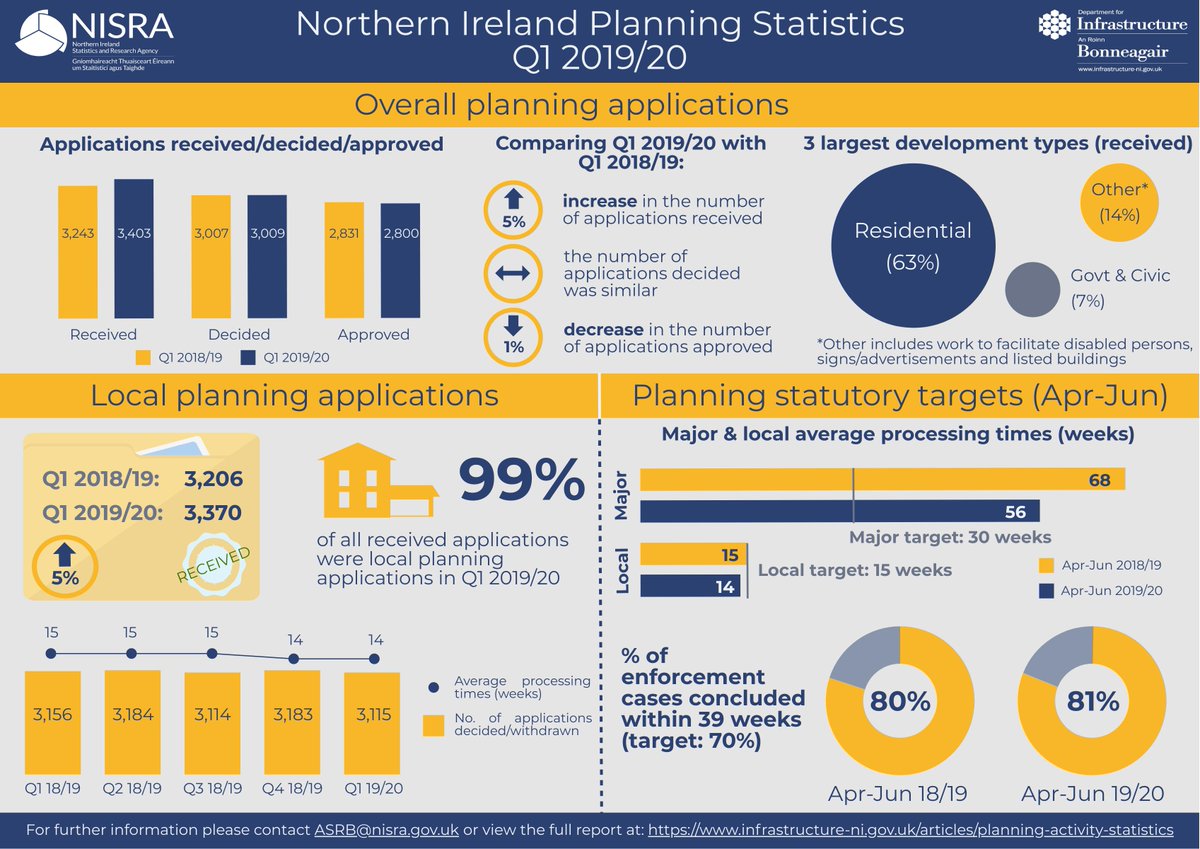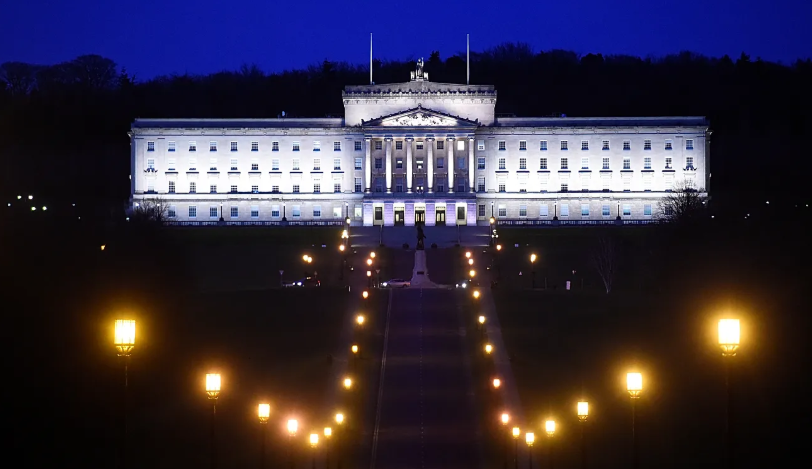
Northern Ireland’s planning system is widely viewed as underperforming, with statutory consultees a major pinch‑point, but delays and “crisis” symptoms arise from several interacting structural and cultural problems rather than one villain. 1. What “crisis” looks like Key symptoms repeatedly flagged in formal reviews and political debate include: That “crisis” narrative is reinforced by the […]

Northern Ireland has spent more than a century shovelling public money into “saving” individual industrial names – from shipyards to shiny new tech funds – while leaving some of its most hard‑pressed communities stuck with 19th‑century connectivity. The Strangford Lough Crossing (SLC) offers a completely different kind of investment: not another bailout, but a piece […]

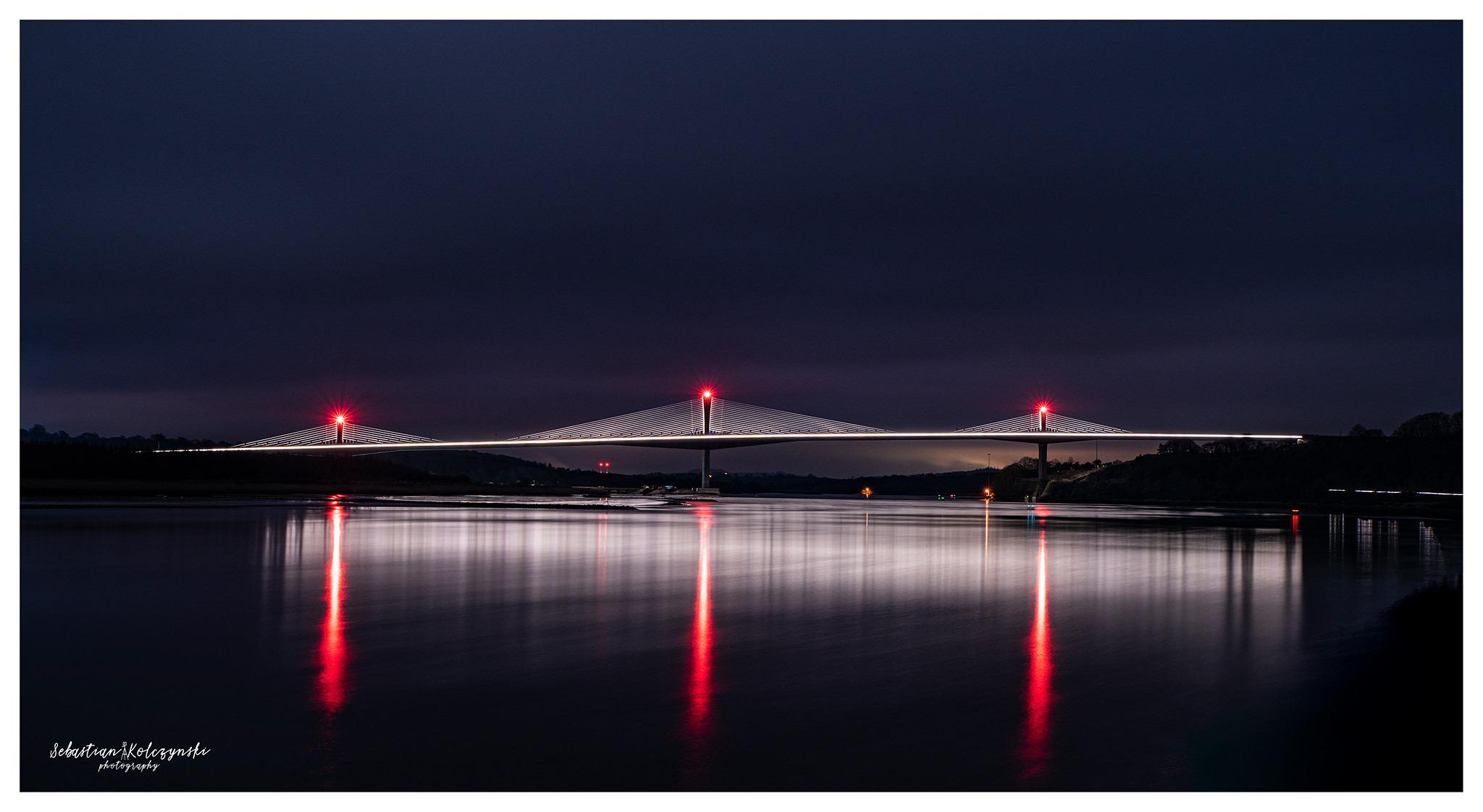
The unique selling point of the Strangford Lough Crossing (SLC) is that it is not just “a bridge”, but Europe’s first climate‑positive heritage crossing: a fixed link in one of the most protected marine landscapes in Europe whose very permission is tied to cutting carbon, restoring nature and helping coastal communities to thrive again – […]

Strangford Lough Crossing: Comparing All Five Options An independent assessment of the crossing options — and what the evidence says The debate around a permanent crossing of Strangford Lough is often reduced to a single question: bridge or no bridge? In reality, five distinct options exist. Each has been assessed on capital cost, journey time, […]

STRANGFORD LOUGH CROSSING Strangford Lough Crossing is a proposed bridge between Strangford and Portaferry that would replace the ferry with a safe, 24/7 link for cars, commercial vehicles, farming vehicles, walkers and cyclists. Today many people face a 90‑minute, 75 km detour when the ferry is off, full, or shut at night; the bridge would […]

Strangford Lough Crossing Campaign — Status Summary, 12 March 2026 The campaign enters tomorrow’s meeting with Chris Hazzard MP having achieved meaningful but fragile progress. Minister Kimmins’ statement of 3 February 2026 (Hansard, Vol. 188, No. 2) — “why not? I am happy to keep that under review” — represents the most significant ministerial shift […]